



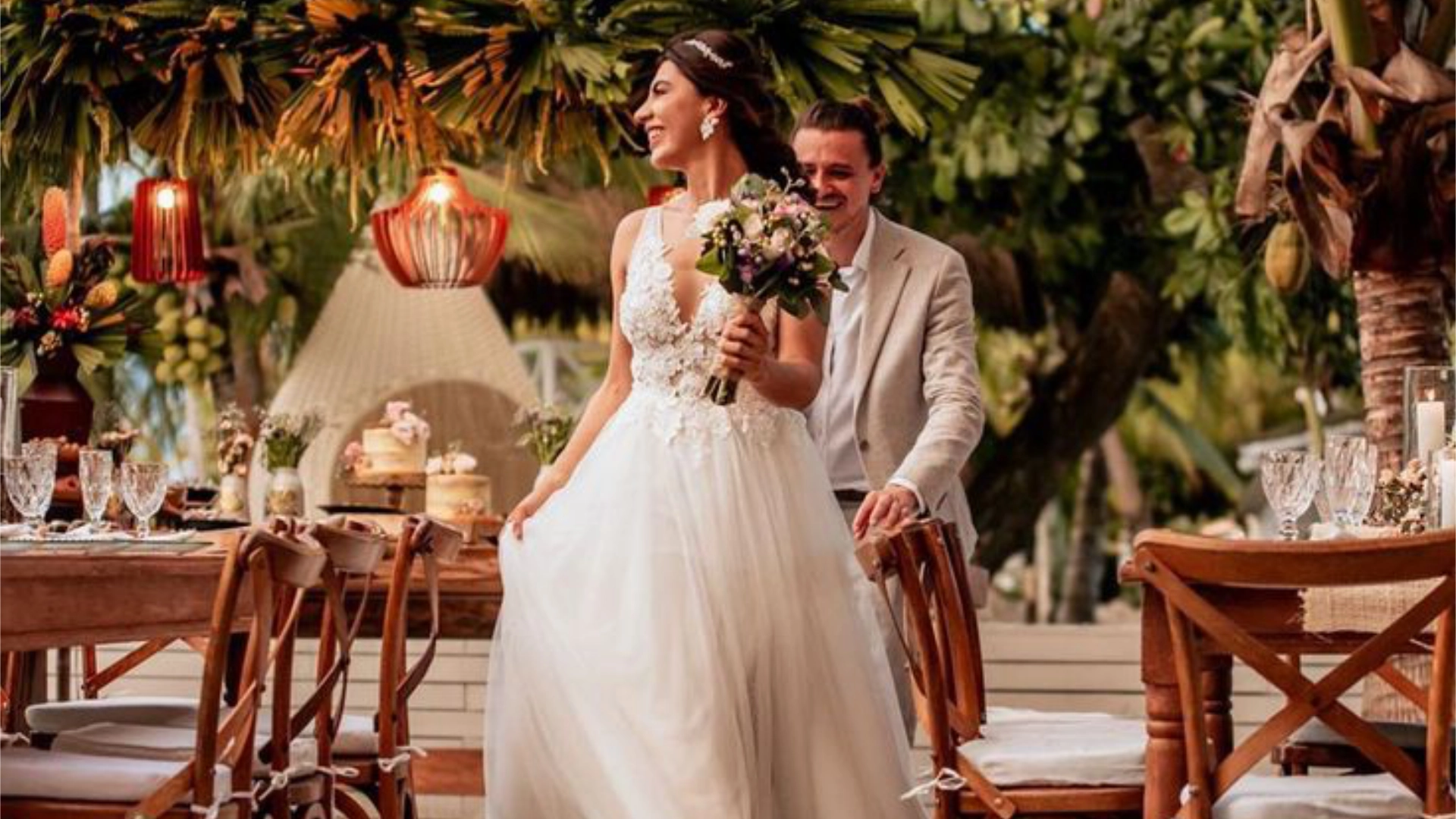
A wedding can become tense fast when one side treats every unfamiliar custom as decoration. Colombian wedding traditions are not just colorful moments for photos. They often carry messages about family, faith, money, respect, and who gets included in the couple’s new life. For an American marrying into a Colombian family, the smartest approach is not to copy everything. It is to understand what each custom says, then choose with care.
Choose Traditions That Fit Both Families
Not every Colombian couple wants the same wedding. A bride from Medellín may imagine a lively reception with vallenato and late-night dancing. A groom from Bogotá may prefer a smaller church ceremony and a refined dinner. A Colombian family living in Miami may already blend customs without making a speech about it.
The first decision is simple but often skipped. Decide which traditions feel meaningful, which feel optional, and which may confuse guests without explanation. A wedding should not become a cultural performance where one person’s family watches the other person’s family run the show.
Some customs are easy to include. Music, food, family speeches, and a strong reception atmosphere usually translate well. Others require more discussion. Religious elements, sponsor roles, money gifts, and large guest lists can touch sensitive areas. They may reveal different ideas about marriage itself.
For a practical couple, the question is not, “Is this tradition Colombian enough?” The better question is, “Can both families stand inside this choice without feeling erased?” That frame helps. It turns planning away from winning and toward building a shared household.
Small explanations help American guests relax. A short note on the wedding website or a quick mention from the officiant can make a custom feel warm instead of confusing. No one needs a lecture. They just need enough context to join respectfully.
Why Family Blessings Matter So Much?
Family approval often carries more emotional weight in Colombian weddings than some Americans expect. It is not always about control. In many households, marriage is viewed as a joining of families, not only a private decision between two adults.
That does not mean every Colombian parent gets a vote on the couple’s life. It means public signs of respect matter. Asking for a blessing, visiting relatives before the wedding, including parents in planning conversations, or acknowledging grandparents during the ceremony can calm tensions before they grow.
Americans sometimes hear “family blessing” and imagine an old-fashioned permission ritual. In practice, it can be more flexible. A bride may already be independent, educated, and financially stable, yet still care deeply that her parents feel honored. A groom may not follow every family opinion, but he may dislike public embarrassment or coldness at the reception.
A useful comparison is the difference between independence and isolation. American wedding planning often praises independence. Colombian family culture may value independence too, but not if it looks like cutting people off. The couple has to find a line between adult privacy and visible respect.
This is where early conversations matter. Ask who must be greeted formally, who expects to be invited, who may feel hurt by a civil ceremony, and who should be seated close to the couple. Seating charts can reveal family politics faster than any romantic speech.
Colombian Wedding Traditions Guests Remember Most
The most memorable customs are usually the ones guests can feel with their bodies. They hear the drums, taste familiar food, notice the aunt who keeps pulling people to the dance floor, and understand that the reception is not a quiet dinner with a polite cake cutting.
Several traditions often stand out in Colombian weddings, though they vary by region, religion, class background, and family style.
- La hora loca: A late-reception burst of masks, props, whistles, dancing, and louder music. It wakes up the room and breaks any remaining formality.
- Arras or coins: In some Catholic ceremonies, coins symbolize shared resources and the couple’s promise to build a life together.
- Candle or blessing moments: Families may include prayers, symbolic lighting, or quiet gestures that honor faith and elders.
- Dance-centered receptions: Salsa, cumbia, merengue, reggaeton, and vallenato can all appear, depending on the crowd.
- Generous hosting: Food, drinks, music, and guest comfort are often treated as reflections of family pride.
None of these customs should be treated as mandatory. A quieter Colombian American couple may skip la hora loca and still have a deeply Colombian celebration. A nonreligious couple may keep music and food while leaving church customs aside.
People comparing cross-cultural marriage expectations may also find it useful to look at how other Latin American families approach commitment. For a related cultural angle, this article on how Venezuelan brides approach building relationships shows similar themes around family, loyalty, and daily life without pretending every country is the same.
What Americans Often Misread About Celebrations?
A loud wedding is not automatically a casual wedding. This is a common misread. American guests may see dancing, jokes, colorful props, and late-night energy, then assume the event is relaxed in every way. Behind the scenes, the family may have very clear standards about respect, dress, timing, and who gets acknowledged.
Celebration and seriousness can sit together. A Colombian reception may be joyful and noisy, while the ceremony remains formal. People may dance hard after dinner, but still notice whether the groom thanked the bride’s parents properly. An uncle may joke all night, then become very direct about whether the couple has a stable plan for housing or work.

Another mistake is reading warmth as instant intimacy. Colombian families can be expressive. Guests may hug, use affectionate words, serve more food than expected, and ask personal questions quickly. That does not mean every boundary disappears. It means social warmth is part of hospitality.
Money can also be misunderstood. A large guest list does not always mean the couple wants luxury. It may mean relatives expect inclusion. A generous bar may reflect family pride, not reckless spending. A modest ceremony may reflect financial discipline, not a lack of love.
Direct statement: do not judge the marriage by the party volume. Watch how the couple handles decisions before the party. Who pays deposits? Who talks to parents? Who compromises on the guest list? Those details tell more than the dance floor.
How Music Shapes the Reception Mood?
A Colombian wedding reception without thoughtful music can feel oddly flat, even if the venue is beautiful. Music is not background noise. It organizes the night. It tells older relatives, cousins, friends, and new in-laws where they belong.
Salsa may bring confident dancers out early. Vallenato can create a nostalgic moment for Colombians who grew up hearing it at home or in taxis. Cumbia works across generations. Reggaeton may pull younger guests in after the formal parts are finished. American pop, country, R&B, or Motown can make the U.S. side feel included.
The best playlists do not treat one culture as the main event and the other as a short courtesy block. A balanced reception moves between worlds without making the transitions feel like announcements from an airport gate.
Context before advice: music choices can expose deeper habits around compromise. One partner may say, “My family must dance all night.” The other may say, “My parents hate loud music.” Neither side is wrong. The solution may be timing. Keep dinner softer. Open the floor with family-friendly classics. Save the heavier party set for later.
A good DJ or bandleader matters. They should know how to read a mixed room. They should pronounce names well, understand the flow of bilingual announcements, and avoid turning Colombian culture into a costume. A wedding can be festive without becoming cartoonish.
Planning a Colombian American Wedding Smoothly
Blended weddings work better when couples compare decisions early instead of arguing after deposits are paid. A Colombian American wedding often brings different assumptions about guest count, ceremony length, alcohol, dancing, religious language, and how much parents should contribute.
A compact planning table can prevent vague arguments. It turns “your family is taking over” into a clearer conversation about specific choices.
| Decision Area | Common Colombian Preference | Common American Preference | Useful Compromise |
|---|---|---|---|
| Guest list | Wider family circle | Smaller invited group | Set tiers for must-invite, hopeful, and optional guests |
| Ceremony | Religious or family-centered | Personal vows or civil format | Add one blessing or reading without lengthening too much |
| Reception | Long dancing and late energy | Clear schedule and earlier ending | Create phases: dinner, family dancing, party hour |
| Budget | Hospitality as family pride | Cost control and couple autonomy | Assign categories, not open-ended contributions |
Concrete observation: the hardest fights often start with small items. A parent adds ten cousins. A partner books a band without checking the budget. Someone assumes the ceremony will be Catholic. Someone else assumes it will not be.
Clear roles reduce resentment. One person can manage vendor calls in English. Another can speak with relatives in Spanish. Parents can be invited into defined areas, such as menu input or family blessings, without taking over every decision.
Couples also need a private budget conversation. Not a romantic one. A real one. Who pays for flights? Who covers hotel rooms for elderly relatives? Are gifts expected in cash, registry items, or both? Wedding customs become stressful when money is hidden behind politeness.
Honoring a Colombian Bride Wedding Vision
The phrase Colombian bride wedding can sound awkward if it reduces a woman to a cultural image. A real bride may love tradition, reject parts of it, or choose a selective mix. She may want a church ceremony because faith matters. She may want only the reception music because that is what feels like home.
Honoring her vision does not mean saying yes to everything. It means taking seriously the customs that carry emotional weight for her. Maybe she wants her father-daughter dance to a specific vallenato song. Maybe her grandmother’s blessing matters more than expensive flowers. Maybe she cares that her American in-laws do not treat Spanish-speaking relatives as guests on the side.
There is also a practical layer. Colombian weddings can involve strong beauty rituals, formal clothing, photography schedules, and family portraits. Some brides feel pressure to look polished from ceremony to final dance. Others find that exhausting. Ask before assuming.
For readers who compare international relationship content online, it helps to stay alert to language that turns women into products. Some searches around Latin dating use outdated terms. A broader discussion of that problem appears in this piece on Latina marriage stereotypes and online dating language, which is useful mainly as a caution about labels.
A respectful partner notices the difference between culture and preference. Culture may explain why a custom matters. Preference decides whether it belongs in this wedding.
Build Trust Through Shared Wedding Choices
Wedding planning gives couples a preview of married life. Not the whole marriage, but enough to notice patterns. Who avoids hard conversations? Who becomes generous with other people’s money? Who protects the partner from rude comments? Who disappears when family tension rises?
Emotional dynamics are easier to understand in plain language. A Colombian partner may feel exposed if the American side dismisses a custom as “too much.” An American partner may feel cornered if every family request is presented as non-negotiable. Both reactions make sense. Both can become unfair if left unchecked.
Use wedding choices as practice for future decisions. The same habits will return around holidays, children, elder care, travel, language at home, and where to live. A couple that can discuss a bilingual ceremony calmly has a better chance of discussing school choices later. A couple that cannot handle the guest list without insults has information worth taking seriously.
Useful questions before final decisions:
- Which customs would feel painful to leave out?
- Which choices are mainly for photos or social approval?
- Where are parents welcome to advise, and where does the couple decide alone?
- How will both languages appear during the ceremony and reception?
- What spending limit protects the first year of marriage?
These questions are not dramatic. They are adult. They help a couple move from early-stage confusion to confident decisions, one deposit and one family call at a time.
Colombian wedding traditions can bring warmth, movement, faith, humor, and family closeness into a marriage celebration. They can also reveal differences that deserve honest attention before the wedding day. Start with one practical next step: sit together, list the customs under “must keep”, “maybe”, and “not for us”, then compare the reasons behind each choice before involving the wider family.